


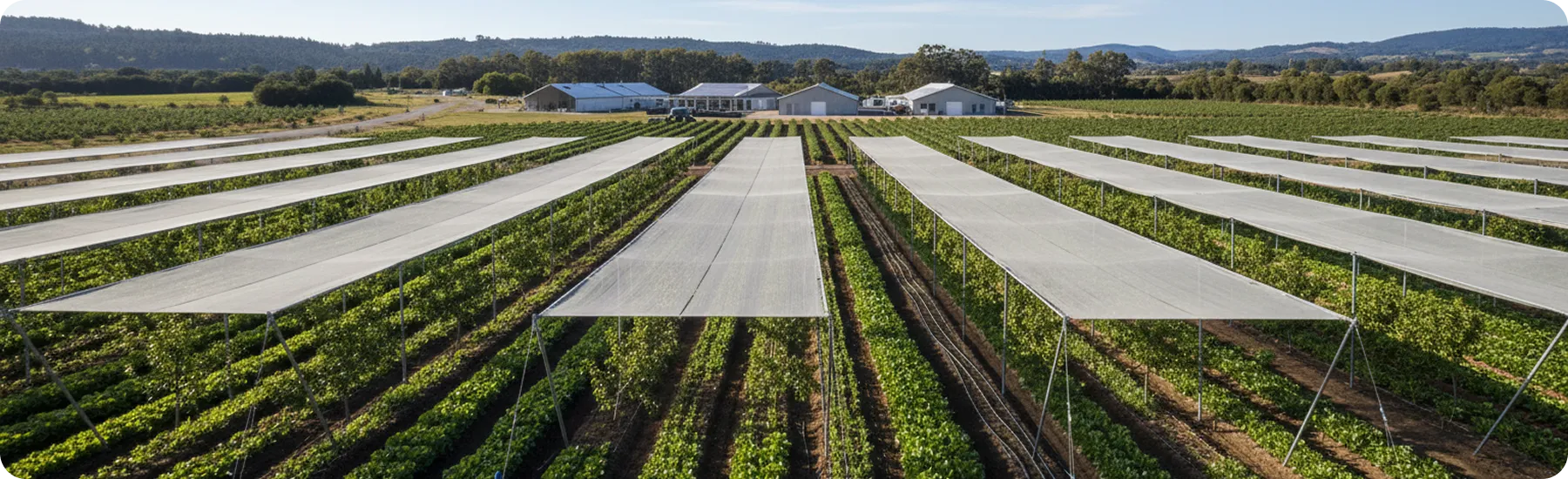
When you're sourcing shade net in bulk — for a dealership, a construction project, or a greenhouse installation — one of the first decisions is who you buy from: a manufacturer, or a trader who sources from one or more manufacturers and resells. Both are legitimate ways to buy. The two paths differ in price structure, specification control, lead time and who is accountable if something goes wrong. This guide sets out the practical differences so you can choose the right route for your order.
What's the difference between a manufacturer and a trader?
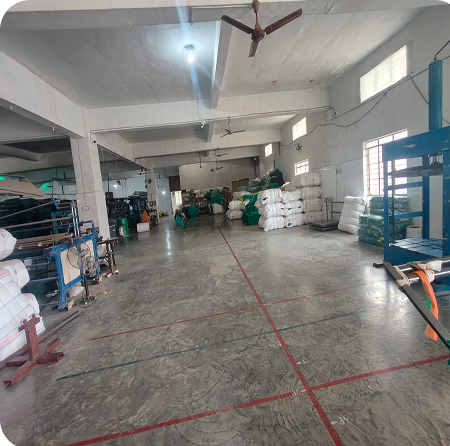
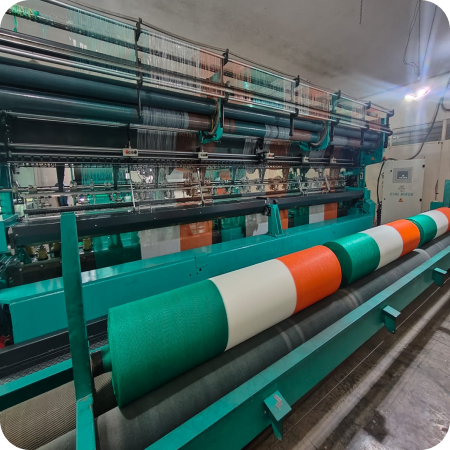
A manufacturer produces shade net in-house: it operates the production process and controls the agreed net specification — construction type, GSM, width, shade % — at the production stage. A trader — sometimes called a reseller or a supplier without production — buys finished shade net from one or more manufacturers and resells it, often blending stock from different sources.
Neither model is automatically better. The right choice depends on your order size, how specific your requirements are, and how much visibility you want into where your net comes from.
Price and margin
A trader's price includes the manufacturer's price plus a margin for sourcing, stocking and resale. A manufacturer's price reflects production cost and the manufacturer's own margin. For a small, one-off order, a trader with ready stock can still be competitive, because producing a small custom batch can cost more per unit than buying from existing inventory. For recurring or bulk orders, direct sourcing may simplify price, packing and delivery discussions, depending on order size and specification.
Specification and customization control
This is often the biggest practical difference.
Buying from a manufacturer, you can usually specify construction type (tape × tape, mono × mono, or mono × tape), shade percentage, width, roll length, colour and finishing directly with the people who make the net, and build changes into the next production run. Buying from a trader, you're generally choosing from what they have in stock or can source from their own supplier network. An unusual combination — a specific width with a non-standard shade % in mono construction, for example — may take longer, cost more, or simply not be available.
If your project needs a close match to a technical specification — a defined shade % for a particular crop, or a construction type required by a contractor's drawing — sourcing direct from a manufacturer that can produce to that spec is usually more reliable than hoping a trader's existing stock matches.
Quality visibility and traceability
Buying direct from a manufacturer puts you one step closer to the production process: the raw material used, the construction, and whatever checks the manufacturer runs before dispatch. A trader can usually tell you which manufacturer they sourced from, but you're relying on a second-hand account of production and testing rather than a direct relationship. For buyers who need documentation — a specification sheet, a pre-dispatch sample, or clarity on what testing was done — going direct removes a layer of back-and-forth.
Pro Tip Ready stock may suit a small urgent order; custom or repeat volumes may call for a direct production discussion.
Lead time and order flexibility
Trader stock can sometimes be dispatched faster for standard, commonly held specifications, because the goods already exist. Manufacturer orders may take longer for custom specifications, but offer more predictability for recurring orders, since the manufacturer can plan production around your order pattern rather than treating each order as a one-off. If your order is urgent and standard, a trader with the right stock may be faster. If it's custom, recurring, or part of a longer-term supply relationship, direct sourcing usually gives more control over timing.
Pro Tip Ask who will confirm the specification and handle queries if the supplied goods differ from the agreement.
Accountability if something goes wrong
If there's a question about product quality — such as the wrong shade %, inconsistent width, or whether the supplied product matches the agreed specification and approved documentation — buying direct can provide a more direct route to specification clarification and issue resolution. Buying through a trader adds a step: the trader typically has to go back to their own supplier, which can extend the time it takes to resolve a problem.
When buying from a trader still makes sense
Direct-from-manufacturer isn't always the right call. A trader can be the practical choice when the order is small, one-off or urgent and standard stock is available locally; when you need a mix of different products from one supplier for convenience; or when you're testing a new market or relationship before committing to a direct manufacturer account.
Pro Tip Compare the delivered price for the same construction, shade percentage, GSM, dimensions and packing.
Compare quotations like-for-like
Whichever route you choose, compare quotations on the same basis: construction, shade percentage, GSM, width, roll length, colour, packing, delivery terms and documentation should all match before price is compared directly.
Questions to ask before you decide
- Does the supplier operate their own production facility, or source finished net from elsewhere?
- Can they accommodate a custom specification — construction type, shade %, width, roll length — or only sell from existing stock?
- Can they tell you what raw material and construction the net uses, and share a specification sheet?
- If there's a quality issue, who do you deal with directly?
- For recurring orders, can they commit to consistent specifications across batches?
Buying direct from Sunsafe Agrotextiles
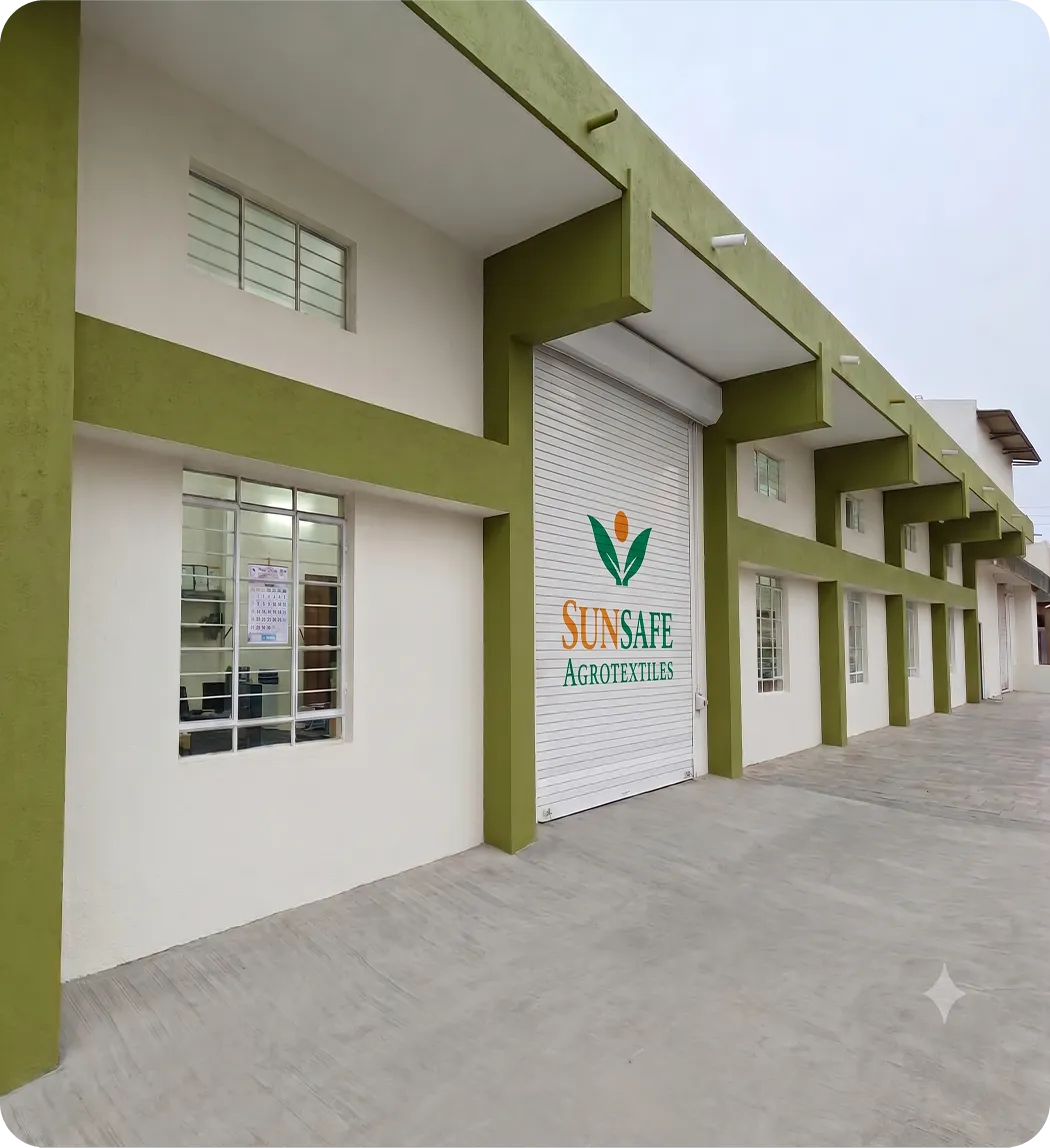
Sunsafe Agrotextiles is a manufacturer based in Rajkot, Gujarat, producing HDPE shade nets in tape × tape, mono × mono and mono × tape constructions across a range of shade percentages, for dealers, distributors, greenhouse and polyhouse companies, contractors and bulk buyers, for both domestic and export orders. If you're comparing a direct-manufacturer quote against a trader's offer, get in touch and share the specification, quantity and delivery destination for a product and quotation review.
Sunsafe's Credentials




Leave a Comment