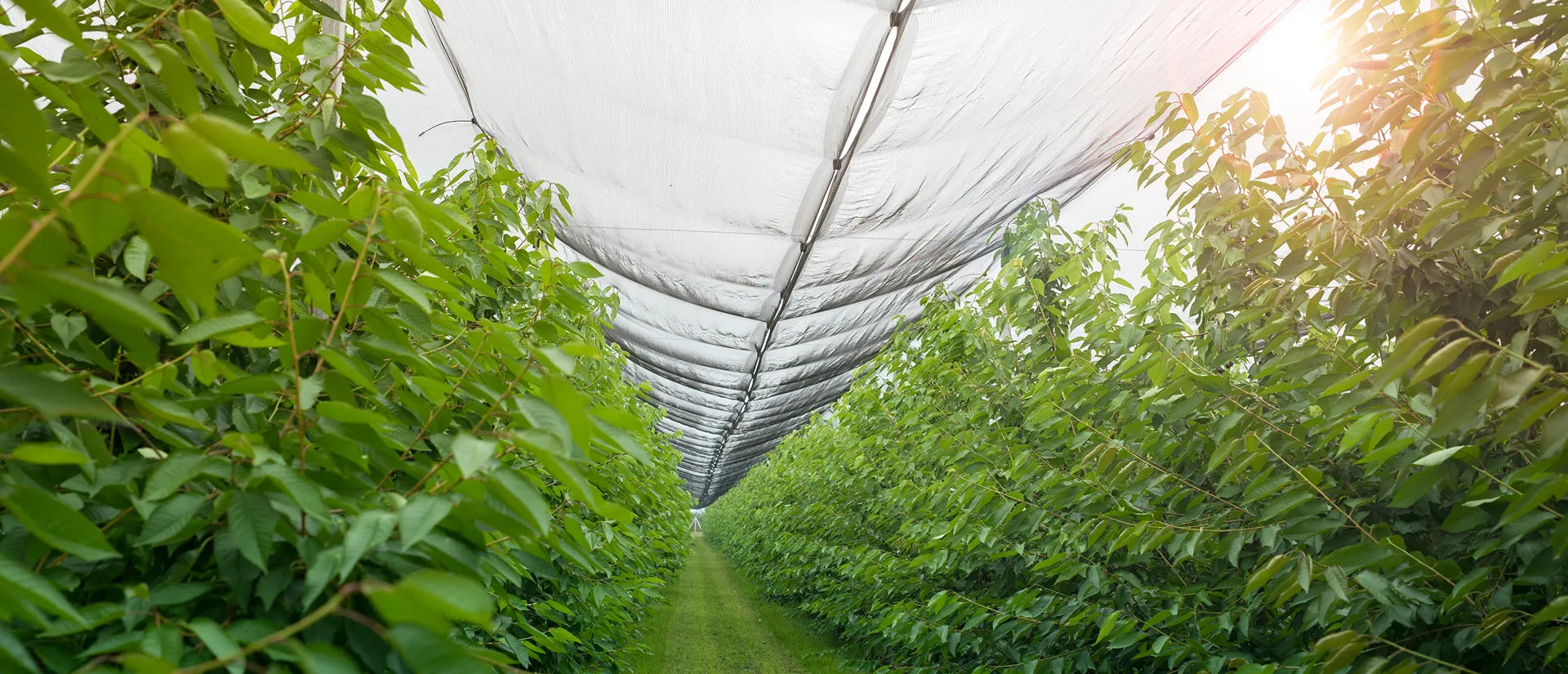
UV-stabilized HDPE shade nets for farming, nurseries, greenhouses and protected cultivation.
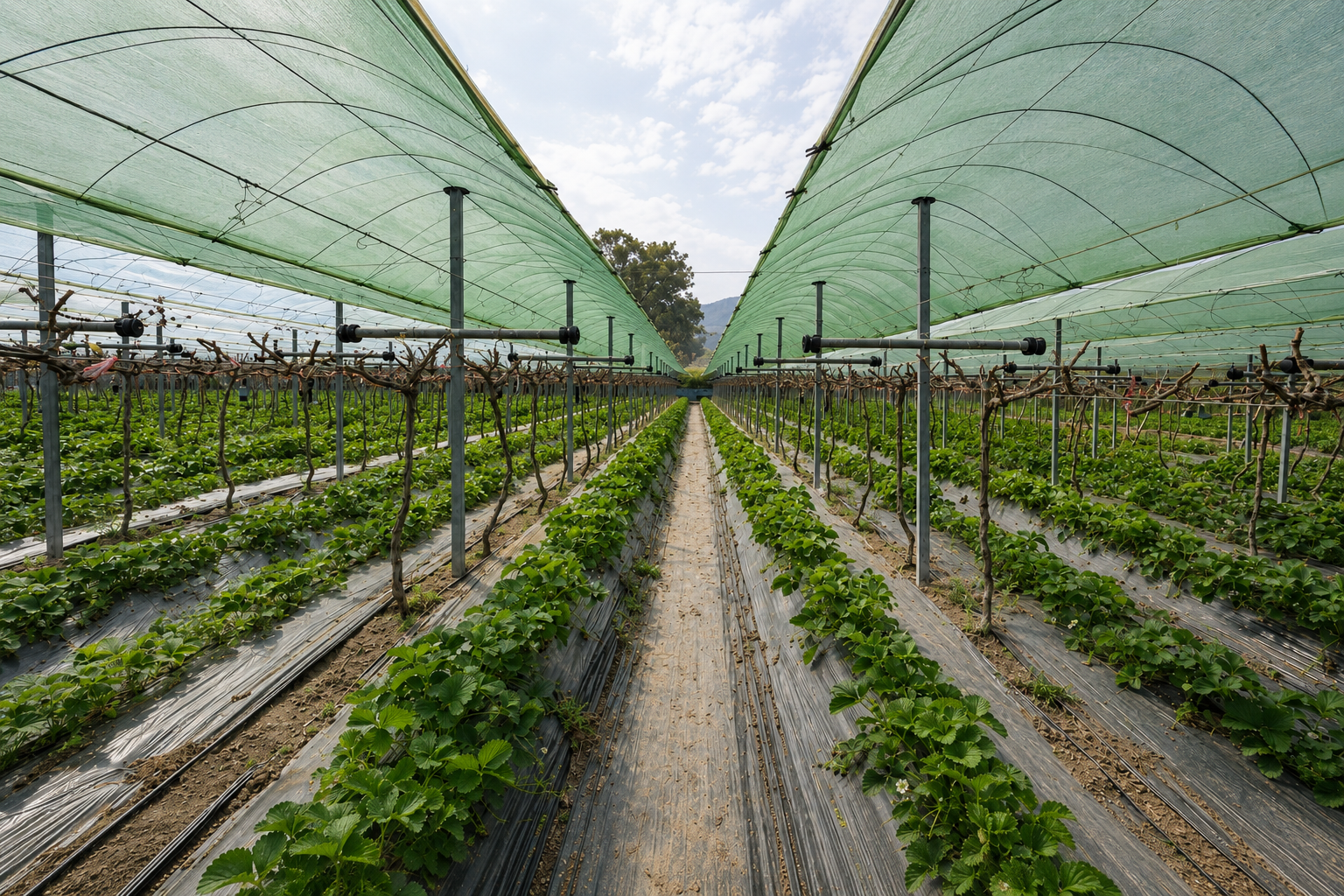
Shade nets can help manage excessive sunlight for vegetables, orchards, nurseries and other protected-cultivation environments. Their suitability depends on crop needs, growth stage, climate and support structure.
UV-stabilized knitted HDPE nets reduce direct sunlight exposure while allowing airflow. Actual temperature and moisture effects vary with shade percentage, weather, ventilation and installation.
Choosing an appropriate specification helps balance plant protection and light transmission. Higher yields or crop quality cannot be guaranteed by shade nets alone.
Select shade net according to crop requirements, growing conditions and installation—not shade percentage alone.
Consider crop variety, growth stage and sunlight intensity. Excess shade can limit light available for photosynthesis.
These are general ranges, not fixed crop recommendations. Local climate and agronomic requirements determine the suitable shade factor.
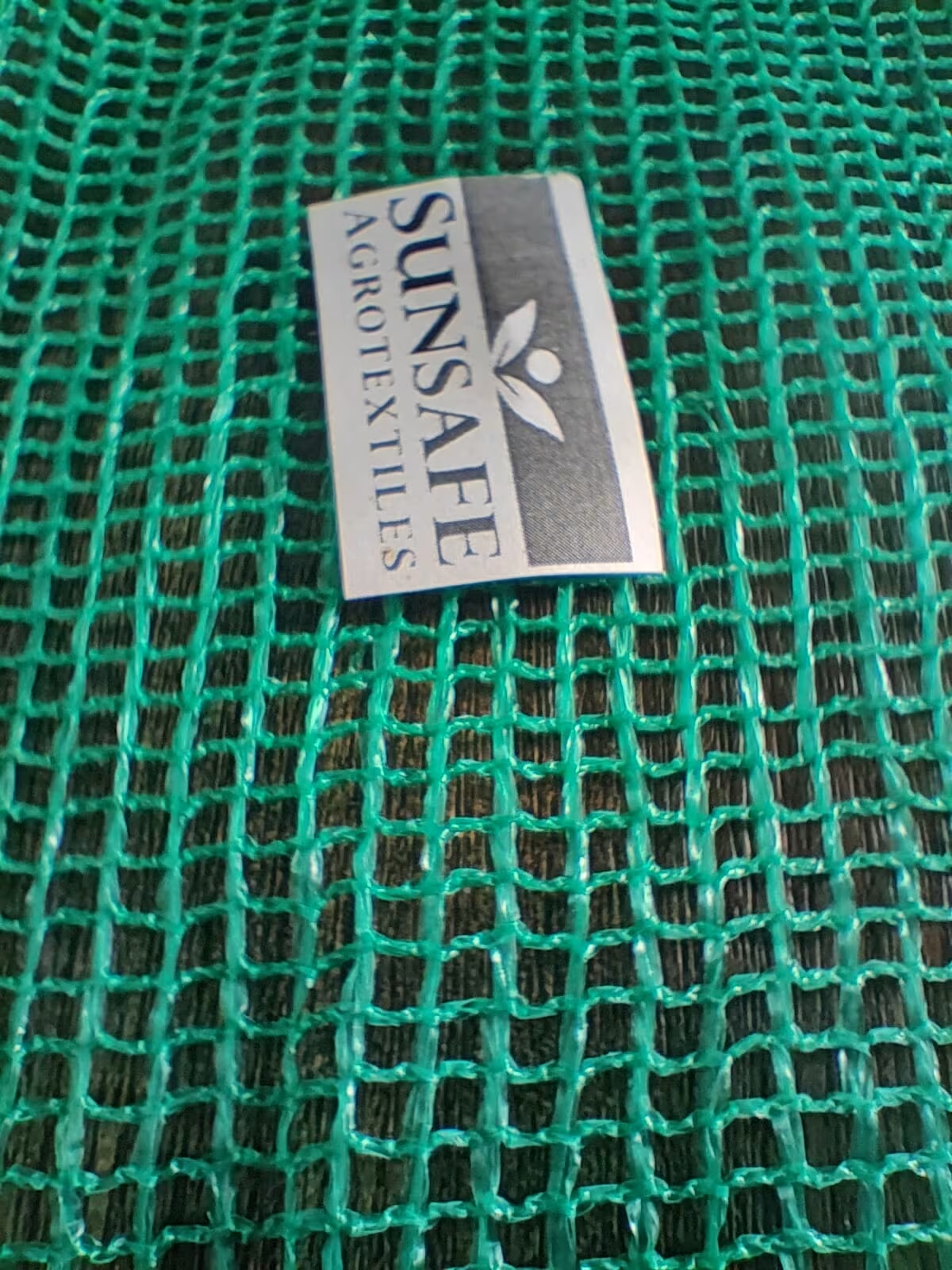
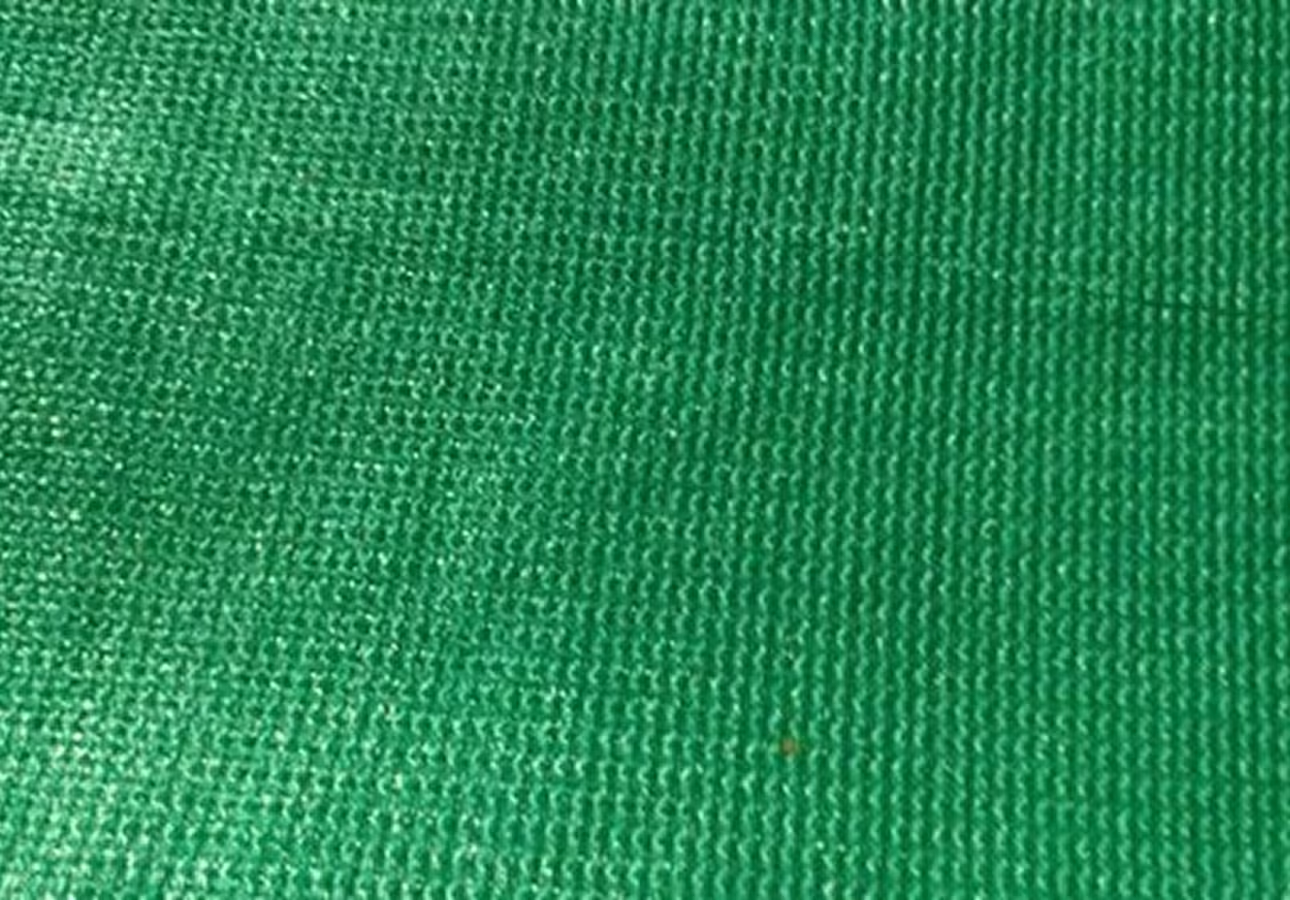
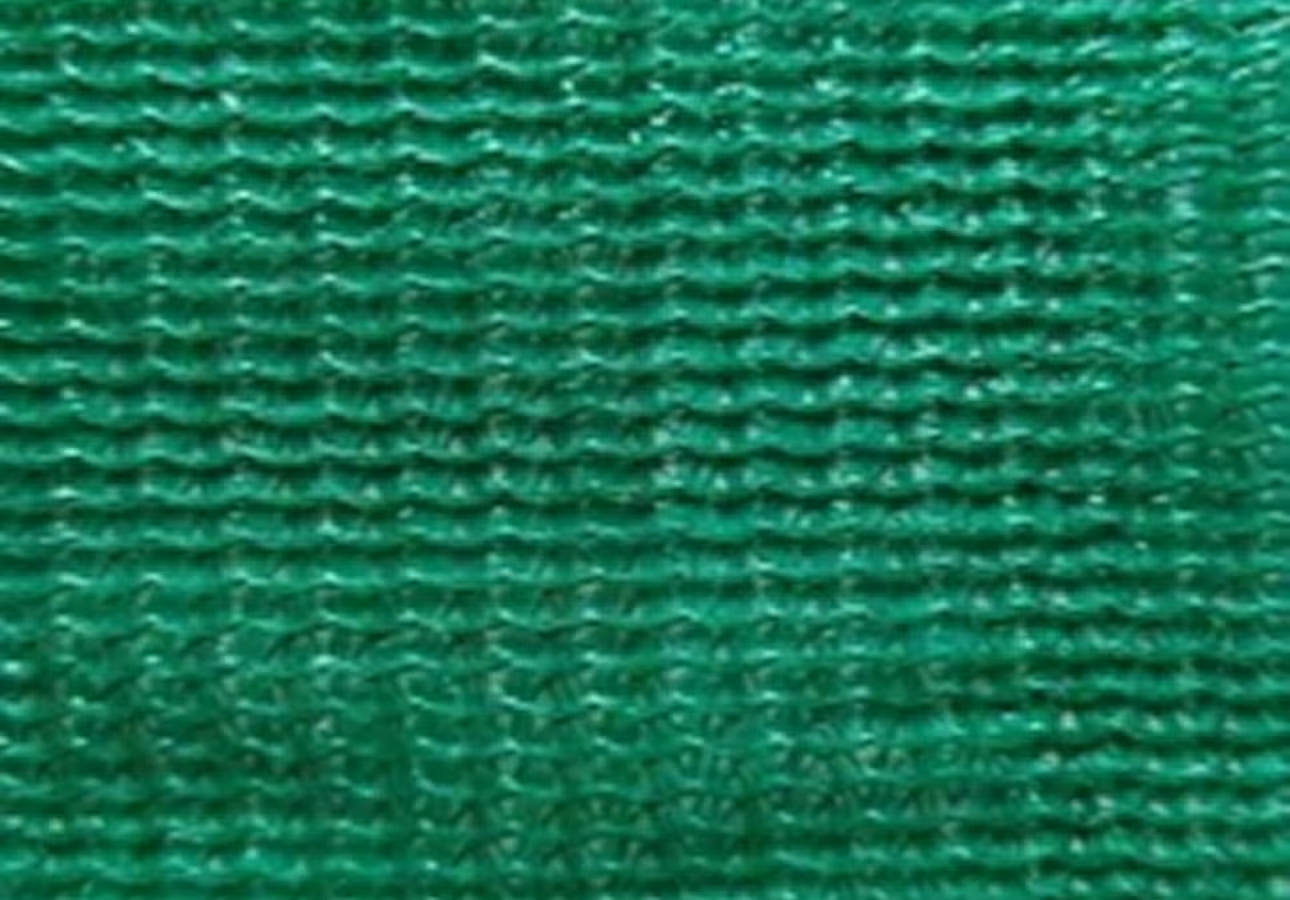
Evaluate seasonal heat, sunlight, humidity, ventilation and wind exposure. Tape × Tape, Mono × Mono and Mono × Tape constructions have different yarn structures; GSM and construction should match the project specification.
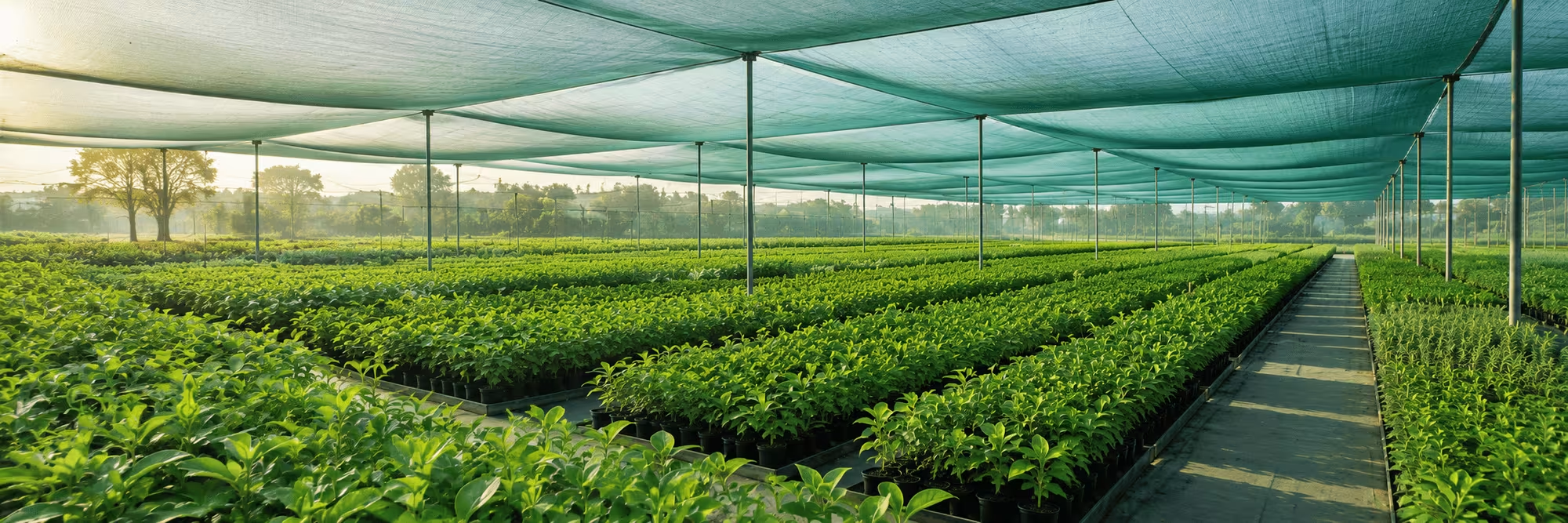
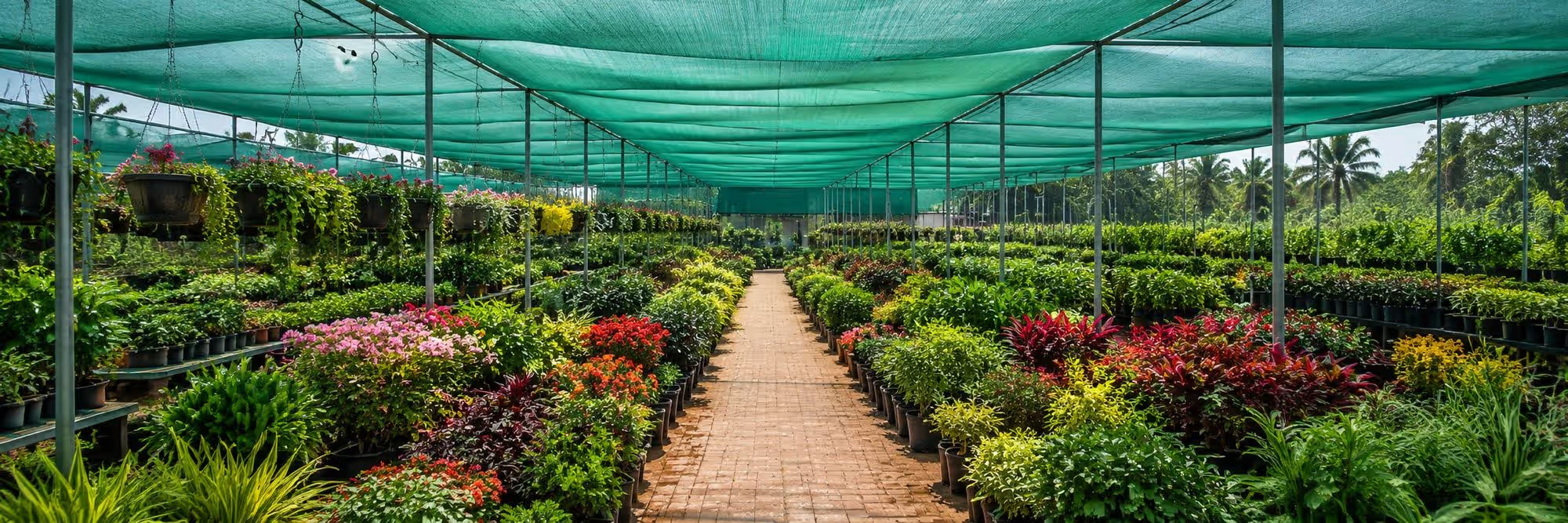
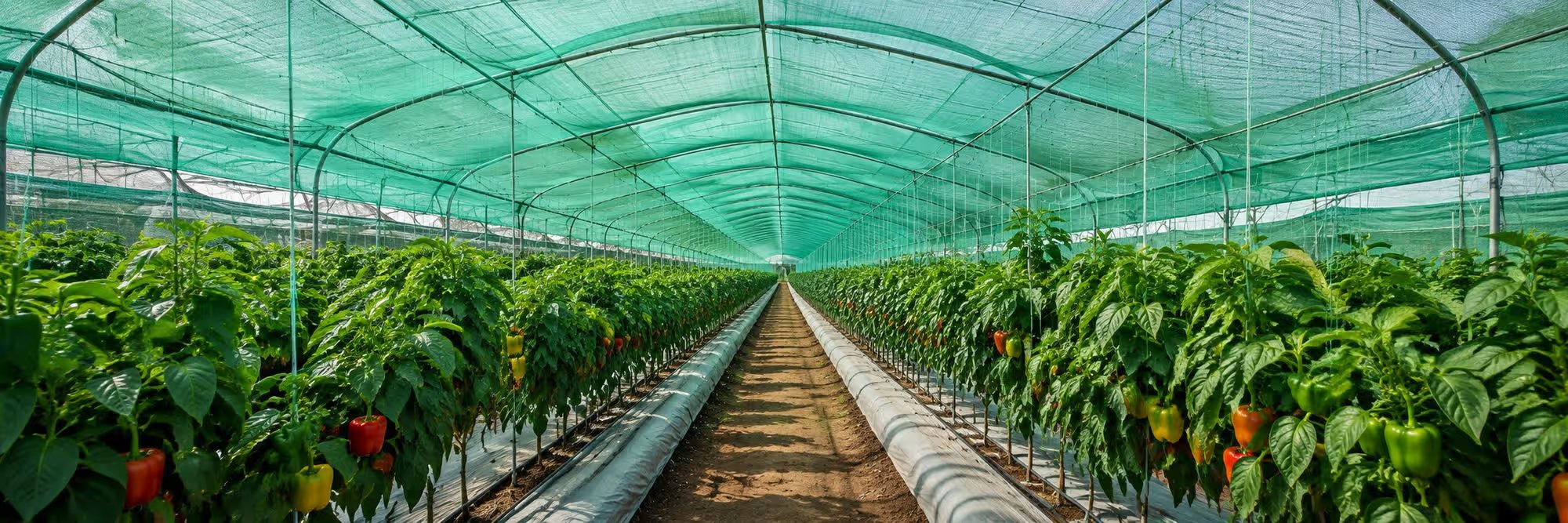
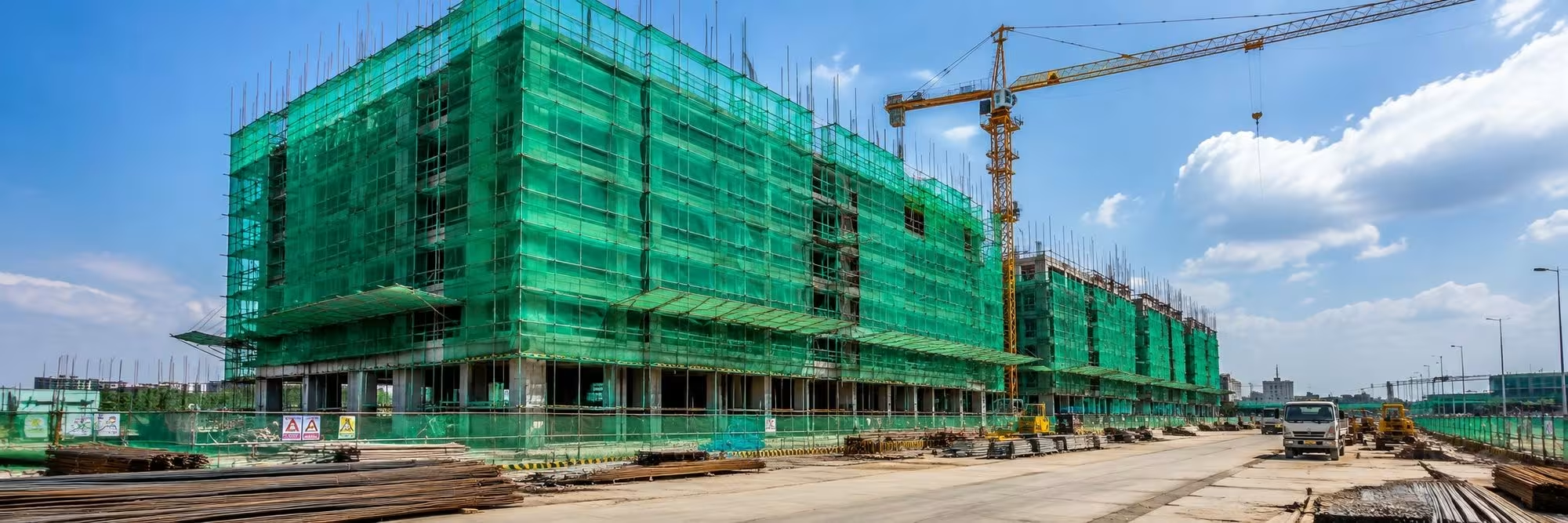
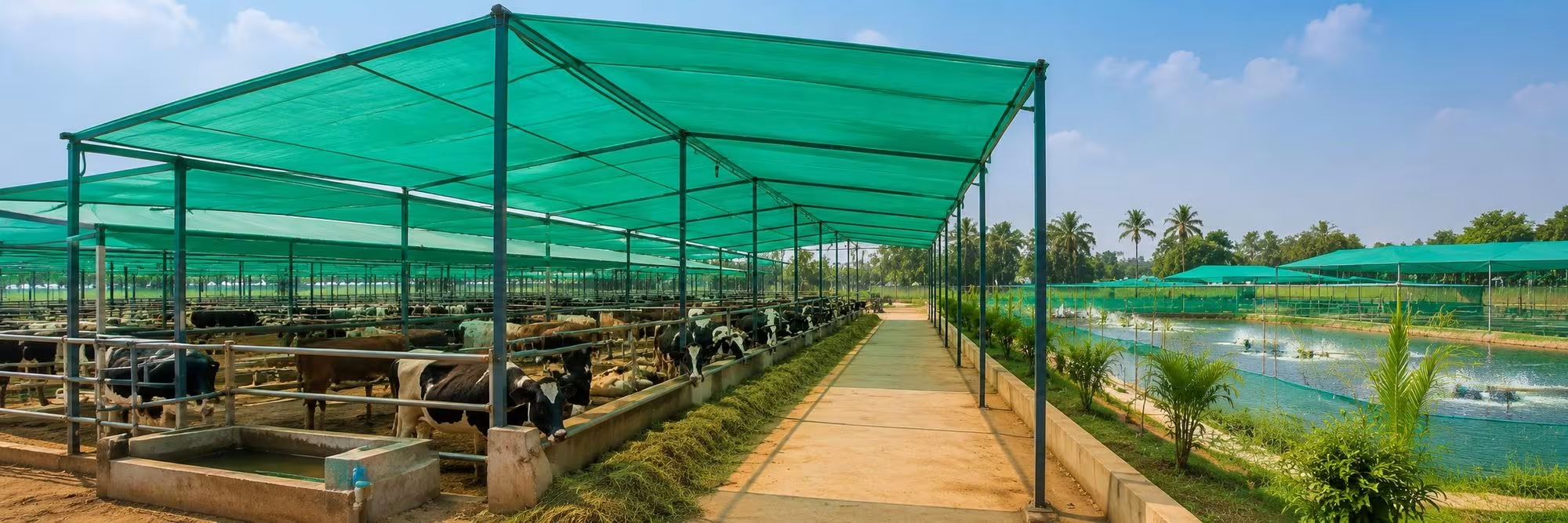
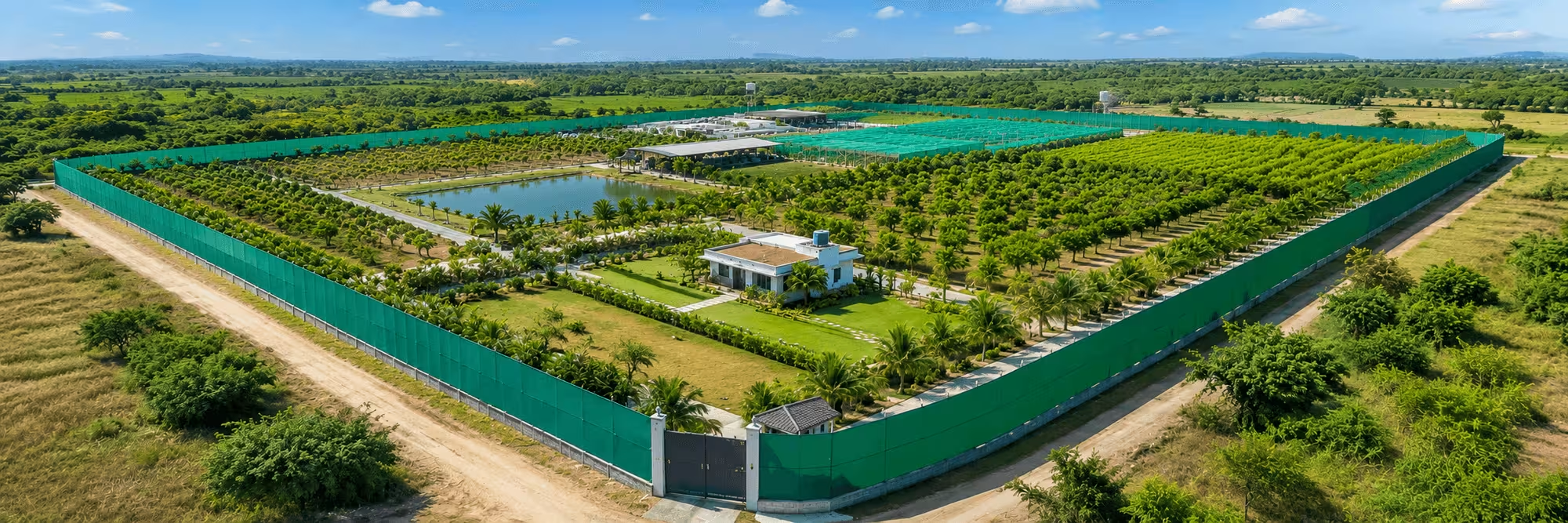
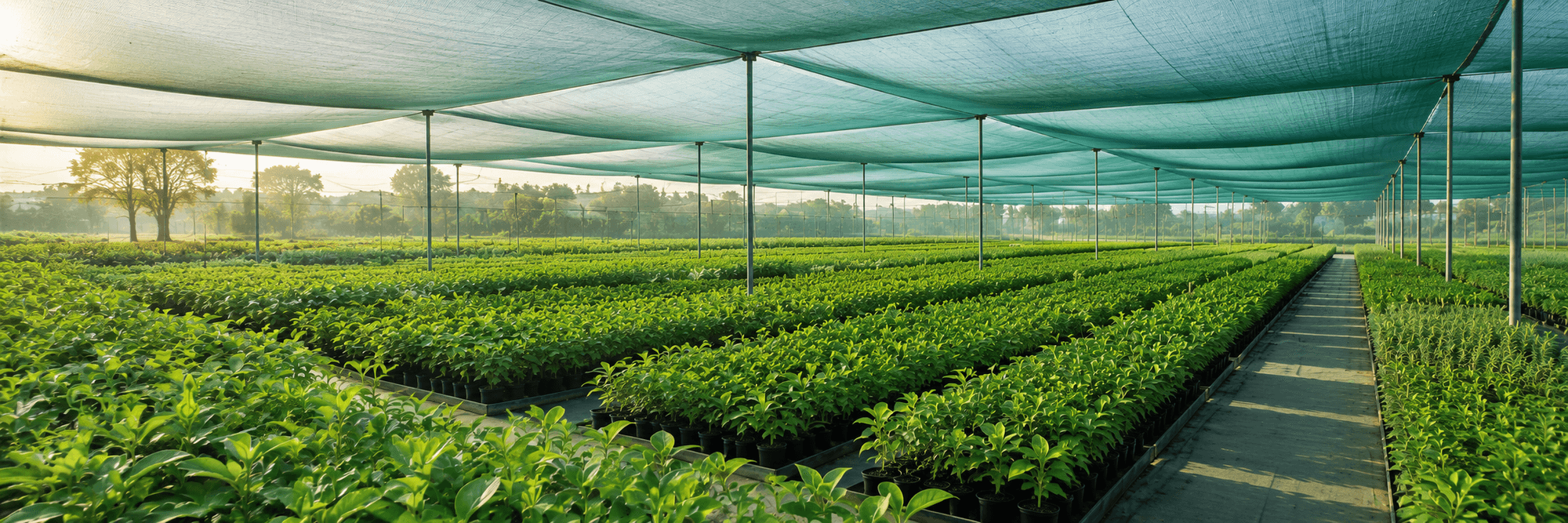
Open-field crops, nurseries, orchards, greenhouses, polyhouses and net houses may require different shade factors, sizes, supporting structures and installation arrangements.
Related products: Explore Agricultural Shade Net and Explore Greenhouse & Polyhouse Net specifications.
For projects and bulk orders, share your crop or application, location, dimensions, preferred shade factor and quantity. Request a specification-based quotation.

Filters intense sunlight for balanced crop growth

May moderate direct solar exposure and heat stress depending on shade factor, climate and installation.

Provides selected protection against intense sunlight; suitability for other weather conditions depends on the net and installation.

Allows proper airflow and water permeability

May support crop quality where shade level suits crop and growing conditions.

Helps reduce soil moisture evaporation

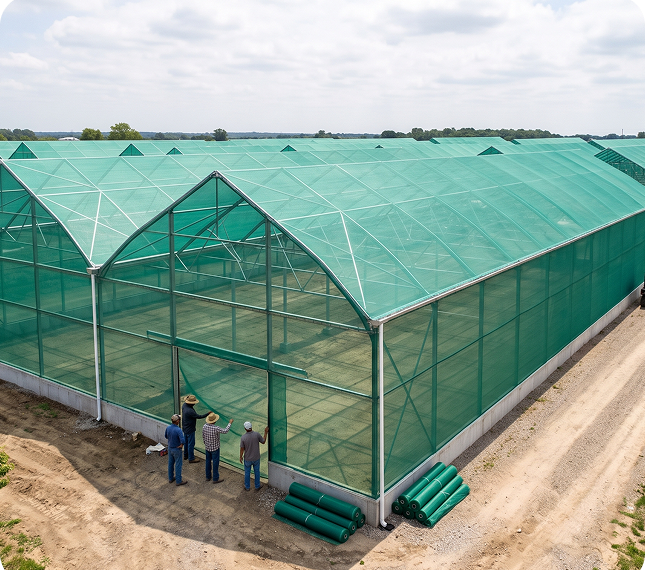
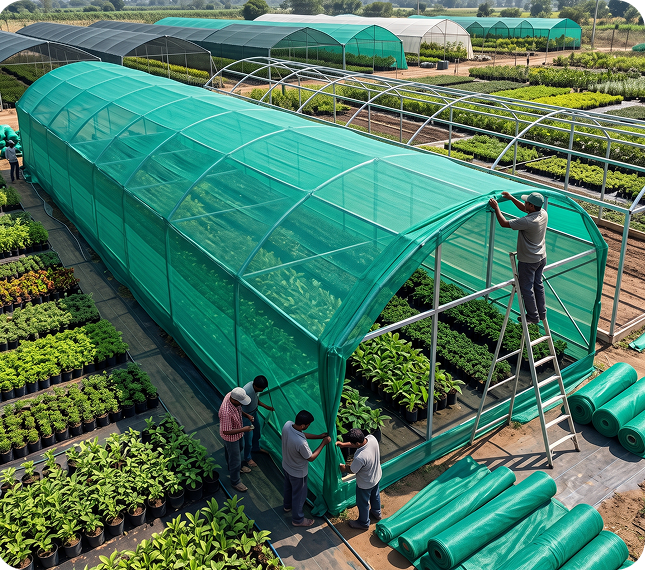
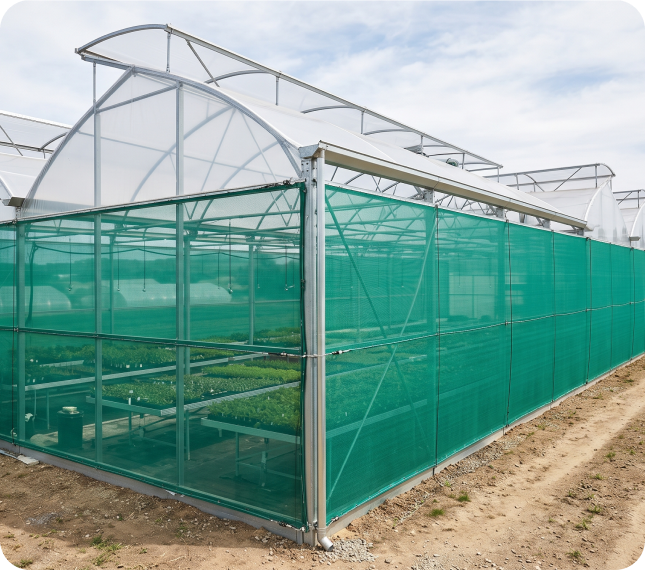
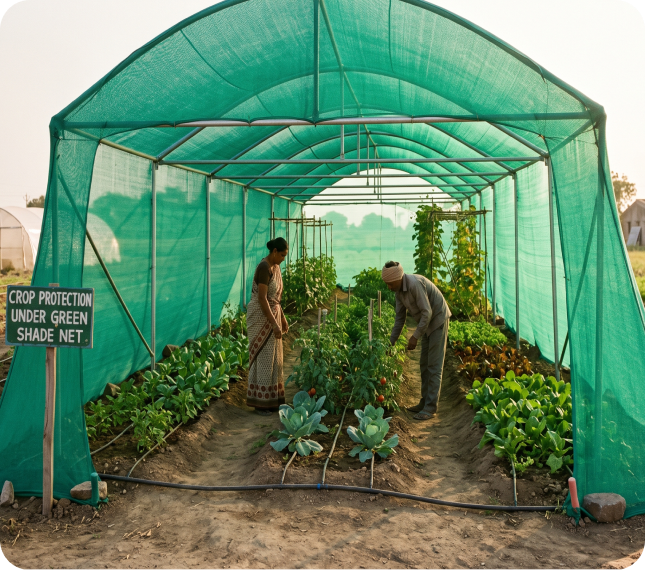
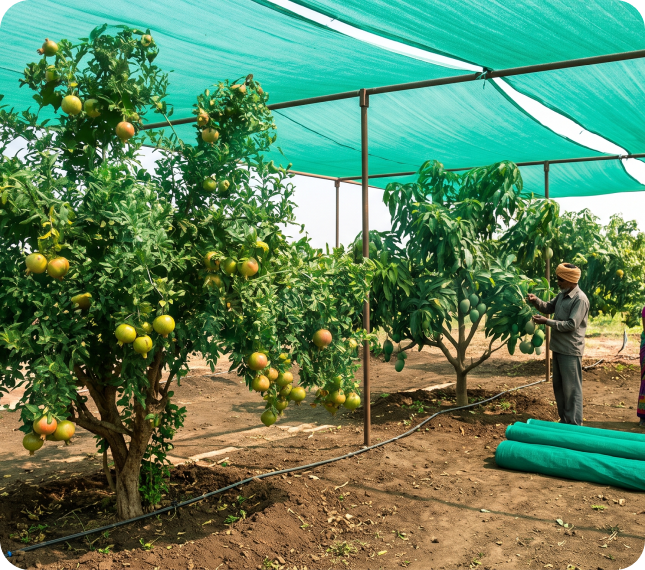
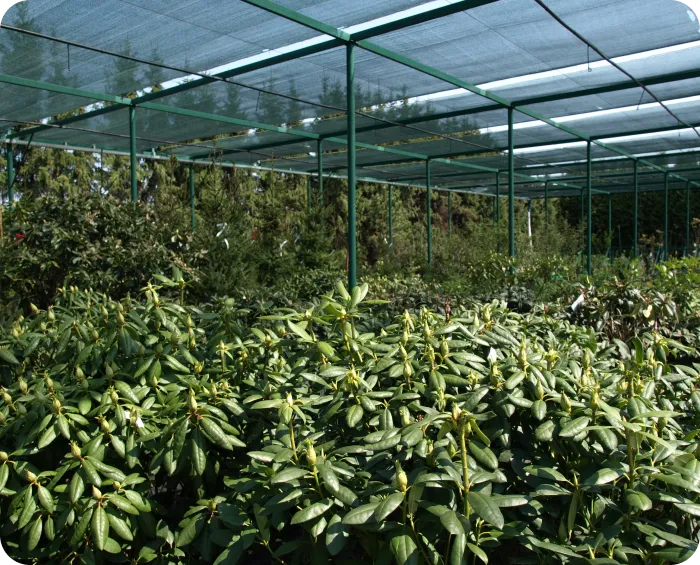

No single shade percentage suits every crop. Crop type, growth stage, sunlight intensity, season and climate guide the choice. Options such as 35%, 50%, 65% and 75% are considered according to requirements.
A correctly selected shade net can reduce excessive direct sunlight and help manage heat stress. Actual effects on crop growth, temperature and moisture depend on crop, shade factor, ventilation and growing conditions.
Shade nets can be used in selected vegetable, nursery, floriculture, orchard and protected-cultivation applications. Suitability and required shade factor depend on crop variety, growth stage and climate.
Yes. Sunsafe manufactures agricultural shade nets from virgin HDPE with UV stabilizers for outdoor applications.
Start with the crop, growth stage, local climate and desired sunlight reduction. Then select shade factor, yarn construction, GSM, dimensions and installation method according to the application.